When you contact Mustang Ability Services, you’ll speak to someone who understands the NDIS, knows how to get things moving, takes the time to listen and can actually help.
Whether you’re enquiring for yourself, a family member or someone you support, we’ll make the process clear and the next steps easy.
If your support hasn’t felt like support, let’s change that
Get in touch today
Whether you’re stuck with the wrong provider, figuring out your next steps, or just want to know if we’re a better fit — reach out. We’ll look at what’s working, what’s not, and how we can build support that better fits your life.
We’ve answered the most common questions we get. If there’s something else you want to know, just reach out. We’re here to help.
Why are you called Mustang Ability Services?
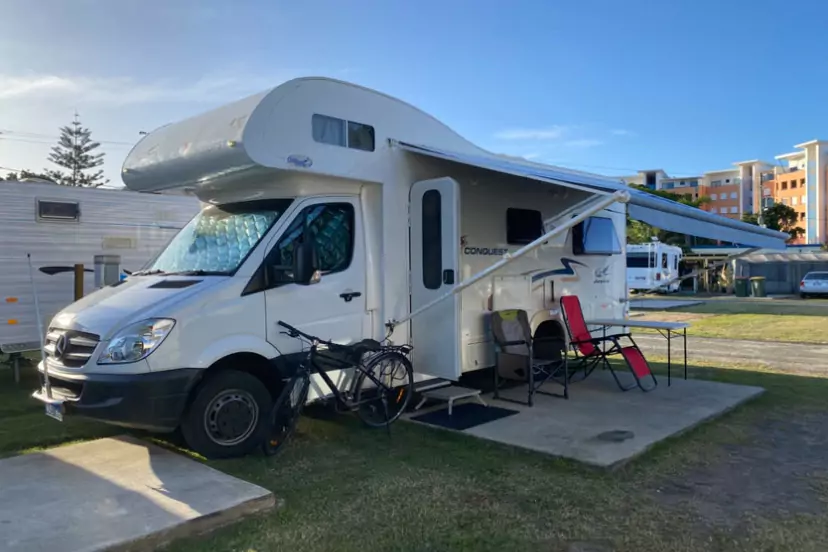
The name isn’t just for show — it’s based on something real. We will have 2 actual Mustangs that participants can ride in. It’s used for community outings, special occasions, or just to bring some excitement into the everyday. It’s a way to offer something different — something fun, memorable, and outside the usual experience of disability support. We also have 2 motor homes to travel in.
We chose the name Mustang Ability Services because we’re not interested in doing things the standard way. For us, the Mustang represents choice, individuality, and showing up for people in ways that feel a bit unexpected — in the best possible way.
It’s one of the many ways we make sure support isn’t just functional — it’s something people look forward to.
What makes Mustang Ability Services different from other providers?
We built Mustang Ability Services to do things differently. A lot of providers deliver the basics, meet minimum requirements, and call it a day. We’re focused on what’s missing: support that feels connected, consistent, and built around the person, not the task list. We’re ability-led, clinically informed, and committed to actually improving quality of life — not just maintaining it.
We also know that people’s lives don’t always follow rigid structures, so our support is designed to adapt. We look at the full picture — including the things that aren’t in a care plan — and build support around that. If something’s not working, we change it. If someone’s been let down before, we take that seriously.
Our goal is simple: to provide the kind of support people should already have, especially in places where the system hasn’t kept up.
How do you tailor support to each participant’s needs?
Every person we work with has different priorities, routines, and goals — so our first step is always listening. We take the time to understand how someone lives, what matters to them, and what kind of support feels useful (and what doesn’t). From there, we work together to shape a plan that fits.
Tailoring support isn’t just about customising a list of services. It’s about knowing when to step in, when to step back, and how to keep things flexible as needs change. We also coordinate with other professionals — like therapists or support coordinators — so that everything aligns.
It’s not just about delivering support; it’s about delivering it in the right way – your way. That means consistent staffing, open communication, and a mindset of collaboration.
Can you support someone who’s disengaged from services before?
Yes absolutely. People disengage from services for all kinds of reasons: poor communication, feeling unheard, constant staff changes, or being forced into support that didn’t suit their life. We don’t expect trust to be there on day one. Instead, we focus on rebuilding it — at the participant’s pace.
We start slow if we need to. That might mean short visits, casual introductions, or finding the right support worker match before diving into a full routine. We never push someone into support that doesn’t feel right — and we take any past negative experiences seriously.
Our team is trained to approach disengagement with empathy and patience, not frustration. Whether the participant is hesitant, withdrawn, or completely burnt out by the system, we’ll meet them where they’re at and build from there.
How do you make sure your support workers are the right fit?
The quality of support often comes down to who’s walking through the door. That’s why we take worker-participant matching seriously. It’s not just about qualifications — it’s about personality, communication style, pace, interests, and shared values. We look at what makes someone feel comfortable and supported, and match accordingly.
When we bring a new worker into someone’s life, we do it carefully — often with a trial period or introductory meet-and-greet, not just a shift suddenly booked. If the match isn’t quite right, we listen and adjust. There’s no pressure to continue with a worker who doesn’t feel like the right fit.
We also give our staff the training, clinical insight, and ongoing support they need to do the job well — and stay consistent. You won’t find a revolving door of unfamiliar faces. We’re here to build real, working relationships — not just fill rosters.
Do you work with people who have complex or dual diagnoses?
Absolutely. In fact, many of our participants have support needs that cross multiple areas — psychosocial disability, physical health conditions, cognitive differences, trauma, or behaviour support needs. We don’t see complexity as a red flag. We see it as part of the full picture.
Our approach is clinically informed and highly collaborative. We’re used to working alongside therapists, clinicians, family members and support coordinators to make sure all aspects of someone’s care are aligned. We don’t take over, and we don’t oversimplify. Instead, we create support that responds to the full reality of someone’s life — with flexibility, patience, and respect.
We also know that “complex” doesn’t mean incapable — it means someone needs support that’s more thoughtful, more joined-up, and more consistent. That’s exactly what we’re built to provide.